MusicMeter logo menu
MusicMeter logo
poster

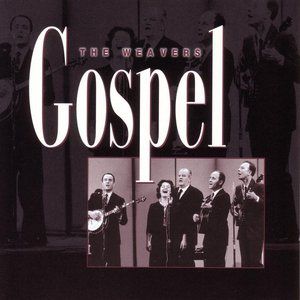
The Weavers - Gospel (1997)

mijn stem
4,50 (1)
1 stem

Verenigde Staten
Folk
Label: Vanguard

  1. Michael Row the Boat Ashore (3:33)
  2. Follow the Drinking Gourd (2:05)
  3. On My Journey (3:43)
  4. I've Got a Home in That Rock (1:48)
  5. In That New Jerusalem (2:54)
  6. When the Stars Begin to Fall (3:17)
  7. Run, Come See, Jerusalem (2:13)
  8. If I Had a Hammer (The Hammer Song) (2:15)
  9. Sinner Man (2:22)
  10. You Made Me a Pallet on the Floor (2:40)
  11. True Religion (3:29)
  12. Twelve Gates to the City (2:37)
  13. Go Where I Send Thee (One for the Little Bitty Baby) (2:35)
  14. When the Saints Go Marching In (2:22)
totale tijdsduur: 37:53
zoeken in:
avatar van potjandosie
4,5
folk bands als The Weavers, The Kingston Trio (met John Stewart), The Four Brothers, The Highwaymen en niet te vergeten Woody Guthrie domineerden de Amerikaanse folk scene in de 50's en vroege 60's. zeg maar voordat folkies als Bob Dylan en Simon & Garfunkel hun debuut albums uitbrachten.

op dit album met live opnames uit de 50's en 60's staan voornamelijk door religie geïnspireerde, veelal Afro-Amerikaanse traditionals, een aantal eigen nummers zoals "If I Had a Hammer" (Hays, Seeger) maar ook traditionals als "You Made Me a Pallet on the Floor" dat o.a. bekend werd in de versie van blues legende Mississippi John Hurt.

de authenticiteit en puurheid van hun muziek straalt van dit album af met fraaie lead zang van zangers Gilbert Hays, Pete Seeger en zangeres Ronnie Gilbert slechts begeleid door akoestische gitaren en banjo, aangevuld met prachtig harmoniërende, meerstemmige zang.

(deel) citaat uit de liner notes (Ronny Schiff) bij de Vanguard re-issue 1997

"It was the music of the Weavers and their compatriots that gave voice to the most important movement of the 20th century - human rights. And the Weavers paid deeply for it. For although the 50's have been glorified as a bucolic, happy-go-lucky, prosperous time, what is to be remembered is that this was a painful time in American history: segregation still existed, women did not have full rights, the environment was being decimated, the threat of nuclear war was real and those in power were convinced that there was a dangerous Commie under every bed.

The Weavers were formed in 1948 by activist/songwriter/banjoist/song archivist/singer Pete Seeger and singer/songwriter Lee Hays. Hays chose the name of the group: they were weavers of song. Evolving from the get-togethers held in the basement of Seeger's Greenwich Village Home, they were joined by singer/songwriter/guitarist Fred Hellerman and singer Ronnie Gilbert. Seeger and Hayes had some experience performing, they'd been part of the Almanac Singers with Woody Guthrie and Millard Lampell.
When the Weavers started performing, they sang at varied places with a varied repertoire and a social conscience.

Due to the stirrings of McCarthyism and already known for their activism and participation in left wing causes, jobs were scarce for them in 1949. They continued on the charts sporadically until 1954 and they probably would have been on the charts more, but for the "intervention" of Senator McCarthy's House of Un-American Activities Committee.

The group disbanded in 1952 and regrouped in 1955 for their Carnegie Hall Concert. Seeger left in 1958 to pursue his solo concert career and the many causes and interests he supported"

avatar

Gast
geplaatst: vandaag om 21:32 uur

avatar

geplaatst: vandaag om 21:32 uur

Let op: In verband met copyright is het op MusicMeter.nl niet toegestaan om de inhoud van externe websites over te nemen, ook niet met bronvermelding. Je mag natuurlijk wel een link naar een externe pagina plaatsen, samen met je eigen beschrijving of eventueel de eerste alinea van de tekst. Je krijgt deze waarschuwing omdat het er op lijkt dat je een lange tekst hebt geplakt in je bericht.

* denotes required fields.

Let op! Je gebruikersnaam is voor iedereen zichtbaar, en kun je later niet meer aanpassen.

* denotes required fields.