MusicMeter logo menu
MusicMeter logo
poster

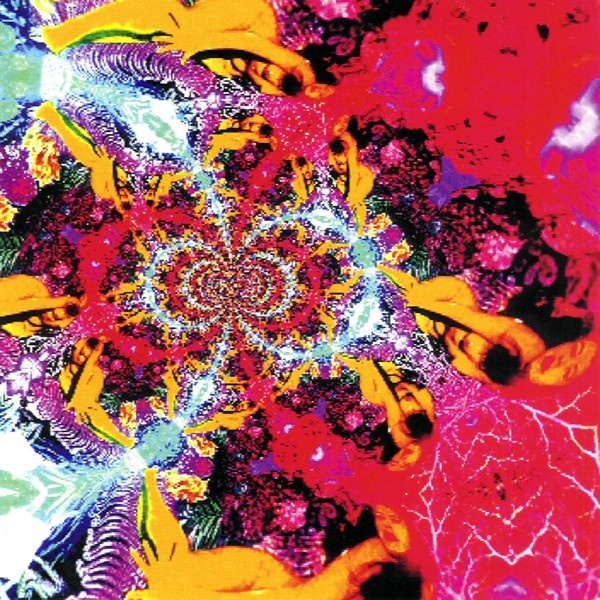
Merzbow - Merzbox (2000)

mijn stem
4,06 (8)
8 stemmen

Japan
Avant-Garde / Electronic
Label: Extreme

  1. OM Electrique Part 1 (31:17)
  2. OM Electrique Part 2 (7:55)
  3. Untitled Taped Drum Solo (8:59)
  4. Untitled Guitar Solo (10:25)
  5. Balance of Neurosis (46:59)
  6. Remblandt Assemblage (9:44)
  7. Voice of Scwitters (2:09)
  8. Theme of Dadaist (9:39)
  9. Hans Arp (1:47)
  10. Tape Dada (5:52)
  11. Music Concret (2:34)
  12. Prepare Guitar Solo 1 (17:32)
  13. Prepare Guitar Solo 2 (3:59)
  14. Electric Environment (24:00)
  15. Untitled Material Action (23:57)
  16. Telecom Manipulation (18:18)
  17. Merz Rock 1 (1:58)
  18. Merz Rock 2 (8:23)
  19. Merz Gamlan 1 (15:54)
  20. Merz Gamlan 2 (5:55)
  21. Merz Scat (11:29)
  22. Merztronics Jazz Mix (11:45)
  23. Merztronics Rhythm Mix (11:17)
  24. Untitled (5:17)
  25. Untitled (5:59)
  26. Untitled (10:35)
  27. Untitled (6:13)
  28. Untitled (4:53)
  29. Untitled (6:51)
  30. Untitled (3:14)
  31. Untitled (22:52)
  32. Paradoxa Paradoxa Pt.1 (46:14)
  33. Paradoxa Paradoxa Pt.2 (26:08)
  34. Hoochie Coochie Scratched Man (25:31)
  35. Yumin, Non Stop Disco (21:14)
  36. New Acoustic Music No.7 (23:58)
  37. Untitled (11:25)
  38. Untitled (2:52)
  39. Untitled (1:48)
  40. Untitled (4:37)
  41. Untitled (1:06)
  42. Untitled (8:40)
  43. Untitled (7:26)
  44. Untitled (4:35)
  45. Solonoise Pt.1 (23:55)
  46. Solonoise Pt.2 (23:42)
  47. Solonoise Pt.3 (22:21)
  48. Manipulation 1 (17:37)
  49. Manipulation 2 (5:28)
  50. Manipulation 3 (6:36)
  51. Manipulation 4 (3:53)
  52. Manipulation 5 (2:51)
  53. Manipulation 6 (2:15)
  54. Manipulation 7 (1:57)
  55. Manipulation 8 (5:45)
  56. M.F.S. W 1 (18:58)
  57. Nil Vagina Tape Loop No.0 (14:08)
  58. Nil Vagina Tape Loop No.1 (30:19)
  59. Nil Vagina Tape Loop No.2 (28:28)
  60. Nil Ad Mirari (22:47)
  61. Nimbus Alter Magneto Electricity (18:12)
  62. Electric Pygmy Decollage (14:12)
  63. Machanization Takes Command (11:01)
  64. Peaches Red Indian (10:46)
  65. Sahara (5:44)
  66. Iggy (3:15)
  67. Suicidal Machine (4:17)
  68. Ai-Da-Ho (10:19)
  69. Denegration (10:07)
  70. Indifferent Pt.1 (6:20)
  71. Indifferent Pt.2 (8:01)
  72. Ooinon for Satva Karman (Sprashutavia) Decoup (21:46)
  73. Dharma Kamarage (22:17)
  74. Sukha, Chanda, Tanno, Kless (23:28)
  75. Genetic Erotic (Sie Wiro Weib) (22:57)
  76. Rejet, Ictus, Connotation, Accompagnement, Penisersatz, Stigma Indelible Etc. (23:14)
  77. Agni Hotra (18:26)
  78. Asagaya in Rain (3:51)
  79. Swamp Metal (6:29)
  80. Loops in Flames (12:30)
  81. Arbertus Magnus (7:14)
  82. Kunyan (7:52)
  83. Untitled Waves (6:45)
  84. Industrial (3:32)
  85. Loop Fuck 1 (6:12)
  86. Loop Fuck 2 (5:39)
  87. Obituary 1 (5:15)
  88. Obituary 2 (7:12)
  89. Night Noise White (31:24)
  90. New Karhma (31:24)
  91. Dynamite Don Don Pt.1 (16:54)
  92. Dynamite Don Don Pt.2 (13:16)
  93. UFO Vs British Army (30:46)
  94. Toy 69 (28:55)
  95. Flesh Radio 1 (4:49)
  96. Flesh Radio 2 (4:51)
  97. Dance of Dharma-Kala (13:29)
  98. Psycotic Orange (0:42)
  99. Helgas Death Disco (5:34)
  100. Eros Pandra (8:28)
  101. Kirie (6:45)
  102. Domine (5:54)
  103. Chopin Is Dead (5:55)
  104. Risa Supersex (2:55)
  105. Antimony Pt.1 (10:30)
  106. Antimony Pt.2 (13:05)
  107. Eyes of Isonokami (11:40)
  108. The Lampinak - Sarpent Power (10:29)
  109. Carcass on the Floor (4:35)
  110. Village of 8 Graves (4:30)
  111. Anus Anvil Anxiety [Long Version] (14:40)
  112. Radio 1511 (24:01)
  113. Mortegage Inc. Batztoutai (23:21)
  114. Enclosure (17:27)
  115. Scarabe (5:33)
  116. Interline No.1-3 (18:10)
  117. Itch (5:39)
  118. Libido Economy No.1 (5:39)
  119. Libido Economy No.2 (5:32)
  120. Electroacoustic Voyage (23:47)
  121. Electric Red Desart (18:19)
  122. Lightning (19:10)
  123. Live at Trade Unions Place of Culture Hall 23 March 1988 (29:21)
  124. Live at Soviet Army Officers House Hall 24 March 1988 (28:13)
  125. War Storage Pt.1 (23:02)
  126. War Storage Pt.2 (23:48)
  127. War Storage Pt.3 (21:08)
  128. White Gamlan (16:27)
  129. Fission Dialogue (9:08)
  130. Inside Tangues in Tera-Aspic (32:11)
  131. Joint (20:51)

    met S.B.O.T.H.I.

  132. Code-Gerausch-Aggregate (20:12)

    met S.B.O.T.H.I.

  133. Jointed (7:06)
  134. Mustela Erminea Nippon (23:00)
  135. Mustela Sixasa Namiyei (Including: The Revenge of the Son of Monster Magnet) (23:50)
  136. Strange Strings (16:16)
  137. KIR Transformation (40:40)

    met Achim Wollscheid

  138. Cockchola (12:54)
  139. Extract 1 (4:21)
  140. Extract 2 (5:48)
  141. Extract 3 (1:18)
  142. Extract 4 (5:59)
  143. Kinetic Environment (11:46)
  144. Yeah, But That Was Just Dyke Stuff Great Nude Variation No.2 (17:46)
  145. Music for Funk Arts No.1 (22:51)
  146. Music for Funk Arts No.2 (22:09)
  147. Great Nude Variation No.1 (12:05)
  148. Extract 5 (3:40)
  149. UP Steel CUM (16:24)
  150. Catabolism Variation Stereo No.1 (14:02)
  151. Deaf Forever / Wild Thing / Electric Shaver Forest / De-Soundtrack Variation No.1 / Rap the Khabarovsk (31:01)
  152. Mona (2:51)
  153. Great Nude Variation No.3 (5:57)
  154. Duck Exercise (17:14)
  155. Blues in C Minor (24:23)
  156. Body (6:09)
  157. Brain Forest for Metal Acoustic Concret (23:57)
  158. Spinnozaamen (24:01)
  159. Autopussy Go No Go (7:40)
  160. Modular (15:12)
  161. Postfix (8:26)
  162. Newark Hellfire (58:45)
  163. Magnetic Void (20:35)
  164. Rocket Bomber (15:17)
  165. Untitled Cock (6:13)
  166. Autopussy Go No Go 2 (13:22)
  167. Decomposed Cockoo (26:29)
  168. Stacy Q, Hi Fi Sweet Leaf (26:28)
  169. True Romance Theme (3:52)
  170. Music Cave (2:27)
  171. She Floating - Preparation (15:43)
  172. She Mutilation - Main Ritual (15:17)
  173. Injured Imperial Soldiers Marching Song (22:29)
  174. Metal of Doom (6:36)
  175. Electric Peekaboo (3:45)
  176. Iron Caravan (5:33)
  177. Brain Ticket Death (34:01)
  178. In-A-Gadda-Veddah (16:53)
  179. Cross Toad (10:57)
  180. Slash Embryo (32:34)
  181. Sunohara Youri Is Suzanna Erica (10:16)
  182. Moon over the Bwana A (5:30)
  183. Apple Rock 1 (14:20)
  184. Apple Rock 2 (16:17)
  185. Apple Rock 3 (7:23)
  186. Apple Rock 4 (7:55)
  187. Liquid City 17-1-95 (19:11)
  188. Dalitech Filters (21:09)
  189. Tiabguls (9:16)
  190. Cheese Car Commando (7:35)
  191. Minus Zero (5:57)
  192. Etic (4:08)
  193. Delta X (4:33)
  194. Tremelo Man (10:27)
  195. Euclids Pickel (13:48)
  196. Chameleon Body (9:18)
  197. Little Bang! (7:38)
  198. You - Bahn (5:27)
  199. Marfan Syndrome For Blue [Remix] (7:07)
  200. Oldenbergs Soft Gun (18:39)
  201. Spider Nest Castle Pt. 1 (12:26)
  202. Un Br Che (11:25)
  203. Yosef Voice (2:12)
  204. Rhinogradentia (14:52)
  205. Silver Scintillator (16:41)
  206. Narco (24:02)
  207. Travelling (20:04)
  208. Floating Manhattan (14:06)
  209. Hongkong Suite (24:52)
  210. Motorond Pt. 2 (31:25)
  211. Motorond Pt. 1 (27:53)
  212. Hair Gun (13:16)
  213. Kyoko Hamara Air Clyster (12:14)
  214. Black Brain of Piranese (13:26)
  215. Soft Parts 1&2 (17:29)
  216. Wild Pair (3:50)
totale tijdsduur: 49:45:46
zoeken in:
avatar
haha kan je mooi tijdens het album een goede zelfmoord tactiek bedenken

avatar
Ja. Alle tijd, je kan ook ongeveer 6433 potten koffie zetten.

avatar
ok de blog staat online voor de liefhebbers


avatar
godlydevil7
Het is "Een 50 uur durende". Voor de rest ben ik benieuwd naar het album, maar denk ik niet dat ik 'm ooit helemaal af zal luisteren... Veel respect trouwens voor iemand die dit weet te bedwingen. Ik denk dat het het handigst is om nummer voor nummer te beoordelen. Aan het eind kun je je namelijk waarschijnlijk de eerste 30 uur niet meer herinneren.

avatar
Sietse
precies wat ik heb gedaan, iedere keer als ik een album had gedaan een beschrijving voor mijzelf bij gehouden (die hier terug te vinden is).

Mag er wellicht nog bij gemeld worden dat de meeste albums in deze gewoon reissues zijn van oude tape releases en dergelijke. Slechts enkele zijn nooit eerder uitgegeven stukken (die ook complete albums vormen).

avatar
jeko
Sietse schreef:
.... (hoeveel merzbow cd's moet je horen om de man zijn werk te kennen...ik heb er genoeg gehoord denk ik) . Het is overbodig, het is te veel, het is een grote onzin release. Het is 34 albums leuk geweest om dit te doen, maar ik heb in gezien dat ik hier eigenlijk helemaal geen zin meer in heb.

ik stop

Nog steeds geen zin om de klus te klaren? Je was al zo ver.

avatar
sxesven
bbaadd schreef:
ok de blog staat online voor de liefhebbers

Maar wat is hier nu de waarde van als je je nog nooit een Merzbowplaat en/of noiseplaat hebt gedraaid? Jullie hebben hem straks 'bedwongen' alsof het de Mount Everest is, maar zo'n kunst is 48 uur noise luisteren nu ook weer niet; da's toch een redelijk passief gebeuren. Ik vind het een beetje jammer.

avatar van herman
Inderdaad. Lijkt me een beetje zinloos als je verder niet echt affiniteit met Merzbow, noise of whatever. Het vereist volgens mij wel een ander soort luisteren en het is ook niet alsof je er indie credentials voor krijgt ofzo.

avatar
jeko
Ach, laten we het houden op jeugdig enthousiasme, en waarom moet alles verantwoord worden. Of na afloop zullen ze nooit meer een merzbow of noise release luisteren of ze zijn nieuwsgierig geworden.Lekker belangrijk dus.

avatar
Sietse
ik zou nog wel verder willen gaan...

bespaar je de tijd verspilling en luister gewoon de paar beste albums van Merzbow. Dan heb je deze echt niet meer nodig.

avatar
sxesven
Ja, ik heb bbaadd een tijdje terug al een paar beginnerstips gegeven, maar goed... Hier zitten wel wat goede platen tussen trouwens (ken er een paar van losse releases), maar goed, niet echt de plaats om met Merzbow te beginnen, klaar.

avatar
jeko schreef:
Ach, laten we het houden op jeugdig enthousiasme, en waarom moet alles verantwoord worden. Of na afloop zullen ze nooit meer een merzbow of noise release luisteren of ze zijn nieuwsgierig geworden.Lekker belangrijk dus.

Ik denk wel het laaste, maar goed. Ik heb al een aantal nummers van Merzbow gehoord en die bevielen me redelijk.

Tuurlijk is het een muzikaale reusachtige berg maar we verbreeden meteen ook onze muzikaale horizon. Maar goed, het duurt nog een aantal dagen tot ik hem binnen heb.

avatar
handsome_devil
met 48 uur koelkastgezoem ga je idd een vette verbreding van je horizon tegemoet

met het uitproberen van verschillende noisealbums van verschillende noisecollectiefjes bereik je denk ik meer, maar goed, sterkte met die 48 uur

avatar van dix
dix
volgens mij is dit het enige draadje waarin mumers proberen te voorkómen dat medemumers een bepaalde release gaan beluisteren die ze zelf fysiek niet aankonden.

belachi...

kom op bbaadd en D-ark, go-go-go

avatar
Sietse
haha...

fysiek niet aankonden nog wel...
Bij mij sloeg gewoon de verveling toe in het luisteren naar merzbow. Had wel wat beters te doen.

Wat trouwens fysiek wel vrij heftig is...merzbow live...deed zelfs pijn MET oorstoppen in...en dan die onderbuik die begint mee te resoneren...
maar goed, das een totaal ander verhaal.
Wat mij betreft is dat meer een aanrader dan deze box luisteren.

avatar van dix
dix
...het was maar een plaagstootje, Sietse

Neemt niet weg dat áánmoediging toch te prefereren zou zijn dan ontmoediging. Enig jackass-gehalte heeft deze nonstop poging wel, maar om nou tegen een ander te zeggen dat ie z'n tijd wel beter kan besteden ....

avatar
tuktak
dit is een echte groeibox, hoe vaker je deze box in zijn geheel luistert, hoe beter die wordt

avatar
tuktak schreef:
dit is een echte groeibox, hoe vaker je deze box in zijn geheel luistert, hoe beter die wordt


avatar
tuktak
ik ben er toch maar eens aan begonnen, aangezien het mijn interesse wel heeft gewekt deze boxset. ik luister nu cd 3 remblandt assemblage en tot nu toe ben ik eigenlijk best verrast.
cd 1 vind ik persoonlijk erg goed en een prettige binnenkomer. cd 2 iets minder omdat die 46 minuten en iets eentoniger is. maar cd 3, wauw, dit is echt geen straf om naar te luisteren, ik vind het zelfs jammer om de volgende keer verder te gaan naar cd 4, omdat ik cd 3 nog wel een keer zou willen beluisteren. maar dat komt nog wel eens.
op internet heb ik al even rondgespeurd naar recensies per album en die blijken eigenlijk allemaal redelijk onzinnig, en een uitleg van de geluiden, die ik zelf ook al wel hoor. dus daar ga ik me ook niet aan wagen.

avatar
tuktak
album 4 trek ik niet helemaal, is wel heel erg rechttoe rechtaan, maar 5 is daarentegen weer veel diverser en bevat ook iets meer lijn. merztronics rhythm mix zou je zelfs bijna muziek kunnen gaan noemen, en is best toegankelijk.
begin wel te merken dat ik de lijn niet helemaal begrijp, en of er ook een diepere lading in de muziek zit. of dat het gewoon redelijk blind geexperimenteer is met geluiden. ook op de albums en de nummers onderling, daar kan ik niet heel veel lijn in ontdekken.

avatar
sxesven
tuktak schreef:
begin wel te merken dat ik de lijn niet helemaal begrijp, en of er ook een diepere lading in de muziek zit. of dat het gewoon redelijk blind geexperimenteer is met geluiden. ook op de albums en de nummers onderling, daar kan ik niet heel veel lijn in ontdekken.

Ik denk dat je in dat geval eens op zoek moet naar het essay "The Line of Beauty, Merzbow, and the Echoes of Schwitters" van Lu Hsun-Shi in het gerenommeerde tijdschrift Journal for the Improvisational Electronic Arts (JIEA), volgens mij in een uitgave uit '98 of '99. Misschien dat je lokale universiteitsbibliotheek wat jaargangen heeft liggen.

avatar
sxesven
Heb 'm even opgezocht (heb zelf een lidmaatschap, zeer de moeite waard), dus ik heb de synopsis even overgetiept (het hele stuk is wat veel werk):

The Line of Beauty, Merzbow, and the Echoes of Schwitters
by Lu Hsun-Shi

Synopsis
Merzbow's Masami Akita is often cited, inside and outside of electronic music circles, as one of the flag bearers of the harsh noise genre. His extensive discography comprises some of the harshest work ever created in the genre, yet it can easily be demonstrated that, underneath the layers of distortion, a classical sense of aestheticism lies at the heart of his music. While the Dadaist movement obviously stands as a great inspiration and influence, as evident from many earlier works, Akita has, in recent years, begun to incorporate baroque and romantic influences into the ill-termed 'noise' as well. Citing from Hogarth's The Analysis of Beauty primarily but also extensively from other sources, this paper will show that Akita's ever-increasing output continously seeks to define and redefine what has been termed 'the line of beauty', so essentially pointing out and creating in artistic and musical history patterns not hinted at ever before.

Hsun-Shi citeert nog een keur aan interessante werken trouwens die je wellicht ook wil opzoeken, zoals Adam J. Hiller's essentiële "Id, Ego and Super-Ego in Merzbow's Noisembryo" uit 1997 en non-Merzbow-werk als Jane Fischer's "Clash of the Titans: Harsh Noise and Romanticism" (1991).

avatar
handsome_devil
Dat artikel is echt een aanrader inderdaad Dankzij dat artikel weet ik noisemuziek nu veel meer te appreciëren dan voorheen

avatar
sxesven
Volgens mij staat het voor veel mensen inderdaad aan de basis van een betere waardering. Ikzelf kon er eerst helemaal niks meer mee, maar op aanraden van een vriend heb ik eens wat van zulke artikelen gelezen en toen ik daarna noise luisterde viel het kwartje opeens. Tegenwoordig vind ik niets zo lekker als de nieuwe editie van JIEA te lezen onderwijl het luisteren naar de geciteerde platen.

avatar
handsome_devil
Je zou die oude nummers die ik nog niet heb nog steeds een keer naar me opsturen he? Staat inderdaad ook altijd boordevol uitstekende noisetips van noisemusici van over de hele wereld Ik wist niet wat ik zag toen één of andere Kazachstaan getipt werd als zijnde een groot talent op het gebied van noise. Dat zijn toch heel aparte dingen om mee kennis te maken, zonder JIEA zou je zoiets toch echt nooit leren kennen

avatar van Paap_Floyd
Hm, de universiteitsbibliotheek van Utrecht heeft alleen de edities uit 2001 online staan.

avatar
sxesven
Paap_Floyd schreef:
Hm, de universiteitsbibliotheek van Utrecht heeft alleen de edities uit 2001 online staan.

Oh, da's wel spijtig; de collectie in Leiden is redelijk, alleen niet helemaal up-to-date, vandaar dat ik zelf maar een abonnement heb genomen (redelijk prijzig, maar goed). Ik stuur Mads binnenkort wat oude exemplaren op, misschien kan ze wat kopietjes voor je maken.

handsome_devil schreef:
Ik wist niet wat ik zag toen één of andere Kazachstaan getipt werd als zijnde een groot talent op het gebied van noise

Ja, daar stond ik ook wel even van te kijken. De ene dag heb je nog geen idee dat er zoiets als een noise-scene bestaat in zo'n land, de andere dag ontvang je de nieuwe JIEA en blijkt er al een heel artikel aan de één of andere knakker gewijd. Fantastisch!

avatar
jeko
Ik begrijp dat JIEA een tijdschrift is ? heb net al even gegoogled maar kon niet echt iets vinden, hebben jullie mischien een link die ik kan raadplegen?

avatar
sxesven
Volgens mij is er geen website van, maar dat is ook niet heel gebruikelijk bij dergelijke academische vakbladen. Misschien dat er een website is voor de uitgever? Overigens op verzoek het artikel van Hsun-Shi:

The Line of Beauty, Merzbow, and the Echoes of Schwitters
by Lu Hsun-Shi

Abstract

Merzbow's Masami Akita is often cited, inside and outside of electronic music circles, as one of the flag bearers of the harsh noise genre. His extensive discography comprises some of the harshest work ever created in the genre, yet it can easily be demonstrated that, underneath the layers of distortion, a classical sense of aestheticism lies at the heart of his music. While the Dadaist movement obviously stands as a great inspiration and influence, as evident from many earlier works, Akita has, in recent years, begun to incorporate baroque and romantic influences into the ill-termed 'noise' as well. Citing from Hogarth's The Analysis of Beauty primarily but also extensively from other sources, this paper will show that Akita's ever-increasing output continously seeks to define and redefine what has been termed 'the line of beauty', so essentially pointing out and creating in artistic and musical history patterns not hinted at ever before.


That Dadaist tendencies have been present in Akita's work from the very beginning may require no explanation. Indeed, the mere fact that the name Merzbow was modeled on Kurt Schwitter's highly acclaimed work of art, the Merzbau, need signify enough. Moreover, Akita's approach to music, especially in the 1980s, demonstrates an aestheticism that is directly influenced by visual artists such as Van Doesburg and Duchamp. The cut-and-paste approach combined with sonic objets trouvés stands at the basis of musical counterparts of works like the Letterklankbeelden and Fontaine. Tape works such as 1982's Le Compte and 1983's Dadavida seem to be created as dadaist, hyperdimensional juxtapositions to the pure physicality of the bulk of Dadaist output. At the same time, they recognize yet also nullify the the ventures into improvisational music by many of the visual artists within the Dadaist movement and those outside of it. Antimonument (1986), for instance, is Akita's powerful accusation against Nam June Paik's audio experimentations, which he believes are "the most infantile attempts at sound art [...] ever recorded" (Hanson, 1993, p. 56). Akita's sentiments are already evident in the artwork, which subtly but clearly satirizes Paik's Lost Buddha Monument TV, yet the five compositions are all the more severe, utilizing guitar feedback and analogous tape loops to literally bury some of Paik's compositions, rendering them nearly beyond all recognition. I believe that the use of noise in the vast majority of early Merzbow works mostly serves this point, as Hiller (1997, pp. 43-5) also rightfully points out: it enables the direct quoting and direct subsequent "sonic rape" (Hanson, 1993, p. 114) that recognizes influences as it does away with them, providing Akita with an id he both admits to being and refuses to be.

Yet though it may have been the acception and rejection of id that initially motivated the employment of noise into Akita's compositions, it began to serve a different purpose in later years. It has been frequently observed that harsh noise increasingly seeks to unify itself with classical music, most notably romanticism (Fischer, 1991) and the baroque (Hsun-Shi, forthcoming). As Fischer's groundwork demonstrates, Akita was one of the first artists in Japan to look beyond Dadaism and conclude the struggle of the id, ego and super-ego, perhaps undecidedly as Hiller notes, in favour of an approach that sought not to diverge but to unify. Indeed, from Ecobondage (1987) onward, Akita seemed to be concerned not with structurally finding fault with any and all predecessors, but with finding structure within the rich artistic and musical tradition that proceeded both his and others' compositions. He initially attempted somewhat forcedly to connect with predecessors and (classical) composers by simply echoing their works: Live Drum Ensemble (1989), for instance, was modelled (too) directly on Modest Mussorgsky's Hovanscina - it explains why Miyazaki (1995) terms the 1987-9 Merzbow period, somewhat ironically, the Promonument period, as Akita suddenly seemed content to pay tribute in ways frighteningly similar to earlier works that sought to criticize. However, he soon changed musical course drastically and the period from 1990 onwards marks a vast improvement for Merzbow output both on a superficial level (as Akita himself put it, "it simply sounded better" (Hanson, 1993, p. 9)) and on a deeper level just as well (however, not as deemed in Willems' (1997) flawed work, "on a spiritual level" (p. 40) - it is much more straightforward). Rainbow Electronics (1990) is, in this sense, a typical work that has received praise from noise enthusiasts for its sound and is also critically acclaimed for its clever synthesis of harsh noise aesthetics and themes directly influenced by later Beethoven compositions (for a detailed discussion see Bayard (1996)).

The attempts to unify the aesthetics of harsh noise and classical music are prevalent in Akita's work from 1990 on. It is perhaps already obvious from purely practical noise fans' comments on the epic scale evident in (primarily) Merzbow releases. However, this fails to articulate the deeper-rooted affiliations with classical definitions of beauty and the ways in which Akita attempts to voice them in his music. Akita himself admits that his studying of Hogarth's The Analysis of Beauty (1753) was of inexpressible importance to the way he viewed and composed music, which he from there on said was "radically different. [...] Hogarth's ideas gave shape to what I had felt for so long already but could not articulate." (Hanson, 1993, pp. 21-2). Hogarth's theory of beauty divides the matter into six components which all affect beauty separately and differently, the six being quantity, fitness, variety, intricacy, regularity and simplicity (Hogarth, 1753, pp. 14-15). Indeed, Akita's explicit manipulation of any of these components stood at the basis of his work ever since the earliest tape compositions. Thompson (1994) notes quite correctly that burying Paik's compositions under layers of feedback effectively rid it of fitness, variety, intricacy, regularity and simplicity, leaving it only with "quantities of ugliness" (p. 33). Though Akita could, at that time, perhaps not articulate in words what he felt, it is obvious that he could certainly articulate it musically, and manipulate his works accordingly, actively. The principles of beauty were put to entirely different use however from the early 90s onward. Upon his reading of Hogarth's essential work, Akita proceeded to study the works of both baroque and classical composers (according to Akita himself, primarily "Dvorak, Grieg, Vivaldi and Purcell - merely a matter of taste, really" (Akita, 1995, p. 70), analyzing their compositions to discover whether and how Hogarth's principles applied to them, then to apply the dynamics evident in these actively in his own compositions. As Thompson (1994) articulated it somewhat oddly but certainly all the more correct for it, "Akita kept in the same ingredients but decided on a different recipe - and the result was all the better for it" (p. 56). Akita took note. His own work on the matter in fact contends that "it is not at all about the ingredients, as the recipe is the only thing that matters" (1995, p. 27). Akita struck at the core with this comment: the employment of noise no longer stood as a mere disruptive act but could in fact work entirely the opposite way.

From Hannover Interruption (1992) onwards, Akita's search for patterns was intensified. In fact, the combinations of recipe and ingredient and the subsequent result all contributed heavily to this, as the classical beauty was evident in the composition, the modernist tendencies in the sound (the employment of Dadaist modi operandi never ceased, as Akita continued to incorporate found sounds) and the harsh noise aesthetics in the distortion and feedback. However, Akita also still attempted to incorporate his influences in more intricate ways, translating baroque's basso ostinato into punching tape loops running underneath a series of releases from 1994-6, most notably Noisembryo (1994), Magnesia Nova (1995), and Akasha Gulva (1996), while he juxtaposed different tonal and a-tonal feedback layers in ways reminiscent of the innovative chord progressions of the Romantics without ever having to give up any harshness inherent to noise music (the three aforementioned works show as much). Fischer's (1991) visionary work may once more be cited, as it examines such use of patterns in early Merzbow and others' work, primarily Hijokaidan and Incapacitants (indeed, as this author duly notes, Fischer may be said to have been truly ahead of her time). Akita himself, however, finds fault with the popular characterization of himself as one of the avant-garde where the unification of contemporary harsh noise and classical works is concerned. He feels that this is entirely unnecessary and undeserved: "it is as if there is no precedent for what I do - but there is" (Akita, 1995, p. 81). According to Akita, patternization within music and art has ever gone on and ever goes on. While noise, along with the dissonant music of artists such as Jandek and many others, has been termed outsider music often before, he begs to differ on this point. Outsider music indicates that it takes places outside the confinements of musical tradition, which, according to Akita, it certainly does not. As Juntary Yamanouchi of the Gerogerigegege, a legendary Japanese noisecore-band, put it smartly, "taking the piss out of music still means working within the musical tradition. Noise does not exist on a different plane of reality." (Dormer, 1988, p. 5) The same goes for Dadaist sound art Akita has so often deconstructed: "[c]onsider Schwitter's Ursonate. In the ears of many people, it was so entirely unmusical and revolutionary and different, while it was nothing more than a logical continuation of popular musical experimentation. I hope to point this out with my music." (Akita, 1995, p. 24)

Yet Akita's (often successful) attempts at the beautification of harsh noise are certainly revolutionary. In Souon no Bi [The Beauty of Noise] (1995), he cites Hogarth's emphasis on analogy. While Hogarth primarily (or only) meant analogy to nature (the serpentine line is the prime example), Akita extends this to analogy to art. "I do not merely attempt to find the beauty in nature, although that is a part of it since I use [found sounds]. By seeking analogy with other works of art I hope to reach the ultimate juxtaposition of beauties: the beauty of art and the beauty of nature as mediated through art" (pp. 101-2). Akita is therefore not simply defining the line of beauty in his work, but is in fact redefining it. The idea of the line of beauty is shifted from the simple serpentine line to a chronological and cumulative line where patternization in itself becomes the line of beauty. Revolutionary is the correct term for it indeed, as it superficially only suggests an upturning of an established order, but also speaks of circularity. Indeed, the very upturning of traditions combined with the integration of that same tradition constitues a perhaps paradoxical but nonetheless very real double revolution: a double circularity that is also encapsulated in the serpentine line. It is an aesthetic that can hardly be denied to be ever present in harsh noise, which has from its earliest conception (the tape loop symbolizing the ultimate circularity) sought to find revolution within tradition and replace tradition and composition with repetition. Akita has managed to distill the essence of the idea, of which his project's formal name is an ever-present but oft-ignored silent witness. His works are the supreme crystallization of this idea, pointing out structure where no structure was ever thought to have been before. Whoever is searching for a prime example of the line of beauty need no longer look: Merzbow fully embodies its principles.

References

Akita, Masami (1995). Souon no Bi. Tokyo: Kodansha.
Bayard, Alexandre (1996). "Rainbow Electronics et Die Weihe des Hauses". In Revue de Musique Improvisée 2, Paris: Guillaume, pp. 14-29.
Dormer, Gerard (1988). The Japanoise Scene 1982-8. Tokyo: Hachimitsu.
Fischer, Jane (1991). "Clash of the Titans: Harsh Noise and Romanticism". Journal for the Improvisational Electronic Arts 8(1), New York: NYN Press, pp. 30-42.
Hanson, Stuart R. (1993). Noise Inside My Head: Collected Merzbow Interviews. Tokyo: Hachimitsu Press.
Hiller, Adam J. (1997). "Id, Ego and Super-Ego in Merzbow's Noisembryo". In Journal for the Improvisational Electronic Arts 14(3), New York: NYN Press, pp. 18-66.
Hogarth, William (1753). The Analysis of Beauty. London: J. Reeves.
Hsun-Shui, Lu (forthcoming). "Baroque Tendencies in Contemporary Noise".
Thompson, J.S. (1994). The Analysis of Noise: Hogarth's Theoretical Model Applied. Oxford: Oxford University Press.
Miyazaki, Hiroshi (1995). "A Critical Analysis of Merzbow's 1987-9 Works". In Journal for the Improvisational Electronic Arts 12(4), New York: NYN Press, pp. 81-99.
Willems, Pieter F. (1997). "Masami Akita's Spiritualism". In Journal for the Improvisational Electronic Arts 14(3), New York: NYN Press, pp. 67-75.

avatar

Gast
geplaatst: vandaag om 14:32 uur

avatar

geplaatst: vandaag om 14:32 uur

Let op: In verband met copyright is het op MusicMeter.nl niet toegestaan om de inhoud van externe websites over te nemen, ook niet met bronvermelding. Je mag natuurlijk wel een link naar een externe pagina plaatsen, samen met je eigen beschrijving of eventueel de eerste alinea van de tekst. Je krijgt deze waarschuwing omdat het er op lijkt dat je een lange tekst hebt geplakt in je bericht.

* denotes required fields.