

Muziek / Nieuws / R.I.P.
zoeken in:

0
geplaatst: 1 oktober 2008, 00:53 uur
Hoorde dit nieuws net in Terzake  Keelkanker op 66j.
Kende 'm ook enkel maar van Telex. Natuurlijk het overbekende 'Diskow Moskow' maar ook natuurlijk - Belgium *zero points!* - 'Eurovision'. Bedoeling was voluit voor de laatste plaats te gaan op het E.Songfestival van '80, maar ze eindigden toch nog voorlaatste.... bummer! 'n Paar jaar geleden (of was het nou vorig jaar) heeft een band van een ander land (Ierland?) deze stunt ook nog eens willen overdoen, maar dan vond ik Telex toch véél geslaagder en vooral ook intelligenter...
Ik was nog helemaal niet bekend met zijn solo-werk, maar ging er zeer binnenkort eens naar op zoek gaan. Ik had altijd gehoord dat hij vanalles pikte van St. Germain, maar kenner en collega/vriend Jan Hautekiet heeft dat in de uitzending ontkracht door erop te wijzen dat we dit dan evengoed andersom kunnen zien, want dat MM al lang bezig was met die mix van stijlen - lounge/jazz/fusion toen er van St. Germain nog geen sprake was.
In ieder geval: R.I.P. Marc!
Keelkanker op 66j.Kende 'm ook enkel maar van Telex. Natuurlijk het overbekende 'Diskow Moskow' maar ook natuurlijk - Belgium *zero points!* - 'Eurovision'. Bedoeling was voluit voor de laatste plaats te gaan op het E.Songfestival van '80, maar ze eindigden toch nog voorlaatste.... bummer! 'n Paar jaar geleden (of was het nou vorig jaar) heeft een band van een ander land (Ierland?) deze stunt ook nog eens willen overdoen, maar dan vond ik Telex toch véél geslaagder en vooral ook intelligenter...
Ik was nog helemaal niet bekend met zijn solo-werk, maar ging er zeer binnenkort eens naar op zoek gaan. Ik had altijd gehoord dat hij vanalles pikte van St. Germain, maar kenner en collega/vriend Jan Hautekiet heeft dat in de uitzending ontkracht door erop te wijzen dat we dit dan evengoed andersom kunnen zien, want dat MM al lang bezig was met die mix van stijlen - lounge/jazz/fusion toen er van St. Germain nog geen sprake was.
In ieder geval: R.I.P. Marc!

0
geplaatst: 1 oktober 2008, 09:41 uur
Miepie mijn rode kater is gistern op 17 jatige leeftijd zijn laatste adem uitgeblazen. Helaas nog bij vele onbekend doch geliefd bij de hene die hem wel kende.

0
geplaatst: 1 oktober 2008, 09:59 uur
Is dat die kater waar het liedje Onze Poes En Buurmans Kater Maken Het Iedere Dag Wat Later , In De Tuin Bij Ons In De Tuin over gaat ? 

0
eazyfan
geplaatst: 1 oktober 2008, 10:25 uur
Rust In Vrede allemaal,
ook deze maand zijn er toch een paar erg belangrijke muziekiconen heen gegaan.
ook deze maand zijn er toch een paar erg belangrijke muziekiconen heen gegaan.


0
geplaatst: 1 oktober 2008, 23:49 uur
Ja, ik schrok er ook van. Gisteren nog een mooi eerbetoon per toeval gezien als afsluiter van een actueel praatprogramma op d'n Bels. Fijn om te zien dat ze er niet aan voorbijgaan.

0
geplaatst: 5 oktober 2008, 03:10 uur
Zijn mede-bandlid John Stewart is ook nog maar enkele maanden geleden gestorven (januari) aan een aneurysma in de hersenen. Dave Guard legde al in 1991 het loodje. Enige overblijvende lid van The Kingston Trio is nu nog de 74-jarige Bob Shane.

0
geplaatst: 14 oktober 2008, 23:50 uur
Godfather van Rocksteady: Alton Ellis overleden (70)
Rocksteadyster en reaggaepionier Alton Ellis is afgelopen vrijdag in Londen overleden. Zijn familie wil verder geen details naar buiten brengen, maar het was al langer bekend dat de 70-jarige Ellis in het ziekenhuis lag vanwege kanker.
Ellis maakte voor het eerst furore buiten zijn thuisland Jamaica in de laten jaren '50 en vroege jaren '60. Ellis vond zijn ware roeping echter in de rocksteady beweging en vond volgens sommigen zelfs het subgenre uit met zijn hit 'Get Ready -- Rock Steady".
Gedesillusioneerd door de corrupte Jamaicaanse muziekbusiness, en misschien ook wel moe om overschaduwd te worden door Bob Marley, verhuisde Ellis in 1973 naar Engeland. Daar begon hij zijn Alltone label en ging verder met opnemen en produceren.
Rocksteadyster en reaggaepionier Alton Ellis is afgelopen vrijdag in Londen overleden. Zijn familie wil verder geen details naar buiten brengen, maar het was al langer bekend dat de 70-jarige Ellis in het ziekenhuis lag vanwege kanker.
Ellis maakte voor het eerst furore buiten zijn thuisland Jamaica in de laten jaren '50 en vroege jaren '60. Ellis vond zijn ware roeping echter in de rocksteady beweging en vond volgens sommigen zelfs het subgenre uit met zijn hit 'Get Ready -- Rock Steady".
Gedesillusioneerd door de corrupte Jamaicaanse muziekbusiness, en misschien ook wel moe om overschaduwd te worden door Bob Marley, verhuisde Ellis in 1973 naar Engeland. Daar begon hij zijn Alltone label en ging verder met opnemen en produceren.
0
geplaatst: 17 oktober 2008, 21:50 uur
De leadzanger van The Four Tops, Levi Stubbs (72),is overleden. De Amerikaanse soulgroep had tal van hits in de jaren '60,zoals It's the same old song, Reach out I'll be there en Bernadette.

0
geplaatst: 18 oktober 2008, 00:08 uur
En wederom een prachtige Soul stem die niet meer is Damn......
Levi Stubb(le)s R.I.P
Levi Stubb(le)s R.I.P

0
geplaatst: 19 oktober 2008, 16:43 uur
Uit de NY Times:
Levi Stubbs, 72, Powerful Voice for Four Tops, Dies
By MICHELINE MAYNARD
Published: October 17, 2008
DETROIT — Levi Stubbs, the gravelly-voiced, imploring lead singer of the Motown group the Four Tops, who stood out in 1960s pop classics like “Reach Out, I’ll Be There,” and “Bernadette,” died on Friday at his home here. He was 72.

The Four Tops in the mid-’60s. Clockwise from bottom left, Levi Stubbs, Obie Benson, Abdul Fakir and Lawrence Payton.

The Four Tops, from left, in 1990: Renaldo "Obie" Benson, Levi Stubbs, Abdul "Duke" Fakir and Lawrence Payton.
His death was confirmed by the office of the Wayne County Medical Examiner. No cause was given. Mr. Stubbs had had a series of illnesses, including a stroke and cancer, that forced him to stop performing in 2000, although he briefly participated in the Four Tops’ 50th-anniversary concert in 2004, which was broadcast on public television.
Formed while its original members were in high school, the Four Tops were one of the most successful groups of the 20th century. They had more than 40 hits on the Billboard pop charts, including their first No. 1 single, “I Can’t Help Myself (Sugar Pie, Honey Bunch)” in 1965.
Hugely popular abroad as well as in the United States, the group became a linchpin of Motown Records, the Detroit label started by Berry Gordy Jr., and was second only to the Temptations, with whom it was often compared, in popularity among its male artists. In 1990 the Four Tops were inducted into the Rock and Roll Hall of Fame.
Unlike the Temptations, whose members regularly changed, the Tops exhibited extraordinary loyalty, with the original four remaining together for more than 40 years. In fact, they began their singing career almost a decade before joining Motown in 1963.
In 1953 Mr. Stubbs, a student at Pershing High School in Detroit, and his friend Abdul Fakir, known as Duke, attended a birthday party at which they met two other founding members of the group, Renaldo Benson, known as Obie and Lawrence Payton, who were students at Northern High School.
(Mr. Fakir, who continues to perform with the Tops’ current lineup, is now the last surviving member.)
Originally calling themselves the Four Aims, they were rechristened the Four Tops in 1954 and signed with Chess Records, the Chicago rhythm and blues label, in 1956.
It was clear from the beginning that Mr. Stubbs, with his booming, rough-edged baritone, would be the lead singer, Mr. Fakir said in a 2004 interview. Yet many of his songs were written in a tenor range that pushed his voice higher and made it sound urgent and pleading.
Mr. Stubbs and the group did not plan a pop career, but began as jazz singers. Leaving Detroit in the mid-1950s, they headed for New York, bouncing around the nightclub circuit.
The four singers shared a studio apartment and rotated three daytime suits among them; whoever had the more important appointment got first pick, Mr. Fakir recalled.
The Tops added choreography to their act, but were advised to drop it when they toured with the jazz balladeer Billy Eckstine, who told them to master their singing. In 1963 Mr. Stubbs and the other Tops appeared on the “Tonight” show, then hosted by Jack Paar, singing a jazz arrangement of “In the Still of the Night.”
Mr. Gordy, who saw their performance, told his staff to sign them up, and assigned the songwriting team of Brian Holland, Lamont Dozier and Eddie Holland to shape their sound and deliver them a hit song.
It took a year before the group recorded “Baby, I Need Your Loving,” followed by their first No. 1 hits, “I Can’t Help Myself” in 1965 and “Reach Out” in 1966.
“We didn’t know what bag to put them in,” Mr. Dozier said in 2004. The three songwriters concluded that Mr. Stubbs’s booming voice should be most prominent, backed by the Tops’ harmonies; layered with vocals by a female group, the Andantes; and supported by the Motown studio band known as the Funk Brothers.
The combination worked.
“Stubbs’s bold, dramatic readings of some of Holland-Dozier-Holland’s choicest material set a high standard for contemporary soul in the mid-’60s,” the Rock and Roll Hall of Fame said when the Tops were inducted.
Snappily dressed, even offstage, the Tops toured extensively throughout the United States and around the world, recording more hits like “It’s the Same Old Song” and “Standing in the Shadows of Love.”
In 1971 the group joined the Supremes to record a cover version of the Ike and Tina Turner song “River Deep — Mountain High.” But by then, relations with Motown were strained, and the group left the label after Mr. Berry moved it to Los Angeles.
The Tops continued to record during the 1970s and ’80s, often touring with the Temptations. Their biggest post-Motown hit was “Ain’t No Woman Like the One I’ve Got,” in 1973.
Levi Stubbles was born in Detroit on June 6, 1936, a cousin of the soul singer Jackie Wilson. His younger brother, Joe, sang with the Falcons and the Contours, two rhythm and blues groups.
Mr. Stubbs is survived by his wife of 48 years, Clineice; five children, Deborah, Beverly, Raymond, Kelly and Levi Jr.; and 11 grandchildren.
Mr. Stubbs took on a side project to become the voice of a man-eating plant, Audrey II, in the 1986 musical film “Little Shop of Horrors,” and also was the voice of Mother Brain, an evil character on the cartoon show “Captain N: The Game Master,” from 1989 to 1991.
By 1995, Mr. Stubbs’s health had begun to fail, forcing him to curtail his performances. Mr. Payton died in 1997, and Mr. Benson in 2005. Mr. Fakir has continued singing with Mr. Payton’s son Roquel; a former Temptation, Theo Peoples; and Ronnie McNair, a veteran Motown singer.
Before his death, Mr. Benson said in an interview that he was saddened by performing without Mr. Stubbs and Mr. Payton.
“It’s like having one body with two limbs missing,” he said.
Levi Stubbs, 72, Powerful Voice for Four Tops, Dies
By MICHELINE MAYNARD
Published: October 17, 2008
DETROIT — Levi Stubbs, the gravelly-voiced, imploring lead singer of the Motown group the Four Tops, who stood out in 1960s pop classics like “Reach Out, I’ll Be There,” and “Bernadette,” died on Friday at his home here. He was 72.
The Four Tops in the mid-’60s. Clockwise from bottom left, Levi Stubbs, Obie Benson, Abdul Fakir and Lawrence Payton.
The Four Tops, from left, in 1990: Renaldo "Obie" Benson, Levi Stubbs, Abdul "Duke" Fakir and Lawrence Payton.
His death was confirmed by the office of the Wayne County Medical Examiner. No cause was given. Mr. Stubbs had had a series of illnesses, including a stroke and cancer, that forced him to stop performing in 2000, although he briefly participated in the Four Tops’ 50th-anniversary concert in 2004, which was broadcast on public television.
Formed while its original members were in high school, the Four Tops were one of the most successful groups of the 20th century. They had more than 40 hits on the Billboard pop charts, including their first No. 1 single, “I Can’t Help Myself (Sugar Pie, Honey Bunch)” in 1965.
Hugely popular abroad as well as in the United States, the group became a linchpin of Motown Records, the Detroit label started by Berry Gordy Jr., and was second only to the Temptations, with whom it was often compared, in popularity among its male artists. In 1990 the Four Tops were inducted into the Rock and Roll Hall of Fame.
Unlike the Temptations, whose members regularly changed, the Tops exhibited extraordinary loyalty, with the original four remaining together for more than 40 years. In fact, they began their singing career almost a decade before joining Motown in 1963.
In 1953 Mr. Stubbs, a student at Pershing High School in Detroit, and his friend Abdul Fakir, known as Duke, attended a birthday party at which they met two other founding members of the group, Renaldo Benson, known as Obie and Lawrence Payton, who were students at Northern High School.
(Mr. Fakir, who continues to perform with the Tops’ current lineup, is now the last surviving member.)
Originally calling themselves the Four Aims, they were rechristened the Four Tops in 1954 and signed with Chess Records, the Chicago rhythm and blues label, in 1956.
It was clear from the beginning that Mr. Stubbs, with his booming, rough-edged baritone, would be the lead singer, Mr. Fakir said in a 2004 interview. Yet many of his songs were written in a tenor range that pushed his voice higher and made it sound urgent and pleading.
Mr. Stubbs and the group did not plan a pop career, but began as jazz singers. Leaving Detroit in the mid-1950s, they headed for New York, bouncing around the nightclub circuit.
The four singers shared a studio apartment and rotated three daytime suits among them; whoever had the more important appointment got first pick, Mr. Fakir recalled.
The Tops added choreography to their act, but were advised to drop it when they toured with the jazz balladeer Billy Eckstine, who told them to master their singing. In 1963 Mr. Stubbs and the other Tops appeared on the “Tonight” show, then hosted by Jack Paar, singing a jazz arrangement of “In the Still of the Night.”
Mr. Gordy, who saw their performance, told his staff to sign them up, and assigned the songwriting team of Brian Holland, Lamont Dozier and Eddie Holland to shape their sound and deliver them a hit song.
It took a year before the group recorded “Baby, I Need Your Loving,” followed by their first No. 1 hits, “I Can’t Help Myself” in 1965 and “Reach Out” in 1966.
“We didn’t know what bag to put them in,” Mr. Dozier said in 2004. The three songwriters concluded that Mr. Stubbs’s booming voice should be most prominent, backed by the Tops’ harmonies; layered with vocals by a female group, the Andantes; and supported by the Motown studio band known as the Funk Brothers.
The combination worked.
“Stubbs’s bold, dramatic readings of some of Holland-Dozier-Holland’s choicest material set a high standard for contemporary soul in the mid-’60s,” the Rock and Roll Hall of Fame said when the Tops were inducted.
Snappily dressed, even offstage, the Tops toured extensively throughout the United States and around the world, recording more hits like “It’s the Same Old Song” and “Standing in the Shadows of Love.”
In 1971 the group joined the Supremes to record a cover version of the Ike and Tina Turner song “River Deep — Mountain High.” But by then, relations with Motown were strained, and the group left the label after Mr. Berry moved it to Los Angeles.
The Tops continued to record during the 1970s and ’80s, often touring with the Temptations. Their biggest post-Motown hit was “Ain’t No Woman Like the One I’ve Got,” in 1973.
Levi Stubbles was born in Detroit on June 6, 1936, a cousin of the soul singer Jackie Wilson. His younger brother, Joe, sang with the Falcons and the Contours, two rhythm and blues groups.
Mr. Stubbs is survived by his wife of 48 years, Clineice; five children, Deborah, Beverly, Raymond, Kelly and Levi Jr.; and 11 grandchildren.
Mr. Stubbs took on a side project to become the voice of a man-eating plant, Audrey II, in the 1986 musical film “Little Shop of Horrors,” and also was the voice of Mother Brain, an evil character on the cartoon show “Captain N: The Game Master,” from 1989 to 1991.
By 1995, Mr. Stubbs’s health had begun to fail, forcing him to curtail his performances. Mr. Payton died in 1997, and Mr. Benson in 2005. Mr. Fakir has continued singing with Mr. Payton’s son Roquel; a former Temptation, Theo Peoples; and Ronnie McNair, a veteran Motown singer.
Before his death, Mr. Benson said in an interview that he was saddened by performing without Mr. Stubbs and Mr. Payton.
“It’s like having one body with two limbs missing,” he said.
0
geplaatst: 20 oktober 2008, 18:26 uur
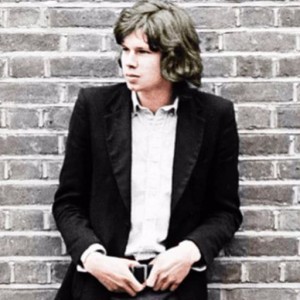
Ik dacht naar aanleiding van de kop van je bericht dat het Dionne Warwick was maar het is haar zus die dood is.
Edit: Ik zie dat de berichtgever zijn mededeling verwijdert heeft, dus nu staat mijn berichtje wel een beetje vreemd.
Edit: Ik zie dat de berichtgever zijn mededeling verwijdert heeft, dus nu staat mijn berichtje wel een beetje vreemd.

0
geplaatst: 20 oktober 2008, 18:57 uur
Het is inderdaad haar zus Dee Dee. Ik kreeg net een correctie door ivm haar overlijden maar dan wel bij haar zus Dionne.
Dat heb ik gelijk maar rechtgetrokken. Niet Dionne, maar Dee Dee Warwick is overleden na een ziekbed.
User metronomy plaatst dus een verkeerde foto plus aankondiging.
Dat heb ik gelijk maar rechtgetrokken. Niet Dionne, maar Dee Dee Warwick is overleden na een ziekbed.
User metronomy plaatst dus een verkeerde foto plus aankondiging.

0
geplaatst: 21 oktober 2008, 12:45 uur
Een beetje laat maar ik dacht het hir al zou staan:
Tupac Producer Johnny 'J' Jackson Dead At 39Hitmaker apparently jumped to his death in Los Angeles County Jail.
By Shaheem Reid
Friends and family of producer Johnny "J" Jackson are simply stunned that he died at age 39 over the weekend.
According to a source close to J and his family, he was serving a sentence in Los Angeles County Jail for DWI. The source confirmed reports that he died after apparently jumping to his death off an upper level at the jail. One jail spokesperson has not yet returned MTV News' phone calls, while another was trying to retrieve information on the incident.
Jackson, known in the music industry as "Johnny J," might not be as widely known as Swizz Beatz or Timbaland, but his stats are impressive. He produced about half of Tupac Shakur's All Eyez on Me double LP, including the hit "How Do U Want It."
"When I talked to him, he told me he sold over 100 million records," King Tech from "The Wake Up Show" said Monday (October 6). "He has a bunch of stuff. ... In my opinion, he needs to be put up there on legendary status with a Quincy Jones or Dr. Dre, because nobody knew he sold that many records. He was more of a low-key guy. He didn't go out there flashing his money, but when you go to his studio, you'd see 100 'Pac plaques. You'd be like, 'Man, you did all of these records?' "
J's last major interview was with Tech on "The Wake Up Show" four months ago, right before he went to jail. The producer told Tech and the listeners that he had around 30 Tupac records in his vaults that were unreleased and that he was part owner of all of 'Pac's recordings.
"We did six or seven a day," J said of the MC's schedule. "Depending on how the Hennessy was going, we turned it out."
"Tupac's real life was like a movie to me, and Johnny J was a big part of the score and soundtrack to that movie," L.A. lyricist and former Death Row artist Crooked I told MTV News. "The classic songs he produced for 'Pac will be with us forever — us being the West Coast and the whole world. Real talk!"
King Tech said working so closely with Tupac and then losing him took its toll on J. "I think that always played in his psyche: 'My best friend, my partner, is gone.' I think that always affected dude," Tech said.
Tech also said J never worried about getting the recognition that some other producers have gotten, but he did stay on top of his business and was living well off of Tupac royalties alone. Before going to prison, Johnny J was working with local, unknown groups in L.A. such as the Hux and spearheading an album by Tatyana Ali from "The Fresh Prince of Bel Air."
Johnny J started off in music on a high note, co-producing one-hit wonder Candyman's debut album, Ain't No Shame in My Game, which spawned the commercial monster "Knock the Boots." A few years later, he started working with Tupac's group Thug Life, which eventually led to working on 'Pac's superstar solo material and posthumous albums.
"If we could have just 10 minutes to talk, I think the outcome could have been different," Tech said of his friend's demise. "Unbelievable. The dude was set for life. With the amount of hits he has out, once you read his biography, the amount of songs he had was insane. It is really strange. Everybody is confused out here. Everybody I talk to are like, 'What?' He wasn't broke, publishing was coming in, he had a wife, he had two kids and a big house. He had everything. He didn't need to go."
You can watch Johnny J's last interview with King Tech on "The Wake Up Show" Web site.
Bron:http://www.mtv.com/news/articles/1596433/20081006/2pac.jhtml
Tupac Producer Johnny 'J' Jackson Dead At 39Hitmaker apparently jumped to his death in Los Angeles County Jail.
By Shaheem Reid
Friends and family of producer Johnny "J" Jackson are simply stunned that he died at age 39 over the weekend.
According to a source close to J and his family, he was serving a sentence in Los Angeles County Jail for DWI. The source confirmed reports that he died after apparently jumping to his death off an upper level at the jail. One jail spokesperson has not yet returned MTV News' phone calls, while another was trying to retrieve information on the incident.
Jackson, known in the music industry as "Johnny J," might not be as widely known as Swizz Beatz or Timbaland, but his stats are impressive. He produced about half of Tupac Shakur's All Eyez on Me double LP, including the hit "How Do U Want It."
"When I talked to him, he told me he sold over 100 million records," King Tech from "The Wake Up Show" said Monday (October 6). "He has a bunch of stuff. ... In my opinion, he needs to be put up there on legendary status with a Quincy Jones or Dr. Dre, because nobody knew he sold that many records. He was more of a low-key guy. He didn't go out there flashing his money, but when you go to his studio, you'd see 100 'Pac plaques. You'd be like, 'Man, you did all of these records?' "
J's last major interview was with Tech on "The Wake Up Show" four months ago, right before he went to jail. The producer told Tech and the listeners that he had around 30 Tupac records in his vaults that were unreleased and that he was part owner of all of 'Pac's recordings.
"We did six or seven a day," J said of the MC's schedule. "Depending on how the Hennessy was going, we turned it out."
"Tupac's real life was like a movie to me, and Johnny J was a big part of the score and soundtrack to that movie," L.A. lyricist and former Death Row artist Crooked I told MTV News. "The classic songs he produced for 'Pac will be with us forever — us being the West Coast and the whole world. Real talk!"
King Tech said working so closely with Tupac and then losing him took its toll on J. "I think that always played in his psyche: 'My best friend, my partner, is gone.' I think that always affected dude," Tech said.
Tech also said J never worried about getting the recognition that some other producers have gotten, but he did stay on top of his business and was living well off of Tupac royalties alone. Before going to prison, Johnny J was working with local, unknown groups in L.A. such as the Hux and spearheading an album by Tatyana Ali from "The Fresh Prince of Bel Air."
Johnny J started off in music on a high note, co-producing one-hit wonder Candyman's debut album, Ain't No Shame in My Game, which spawned the commercial monster "Knock the Boots." A few years later, he started working with Tupac's group Thug Life, which eventually led to working on 'Pac's superstar solo material and posthumous albums.
"If we could have just 10 minutes to talk, I think the outcome could have been different," Tech said of his friend's demise. "Unbelievable. The dude was set for life. With the amount of hits he has out, once you read his biography, the amount of songs he had was insane. It is really strange. Everybody is confused out here. Everybody I talk to are like, 'What?' He wasn't broke, publishing was coming in, he had a wife, he had two kids and a big house. He had everything. He didn't need to go."
You can watch Johnny J's last interview with King Tech on "The Wake Up Show" Web site.
Bron:http://www.mtv.com/news/articles/1596433/20081006/2pac.jhtml
0
geplaatst: 21 oktober 2008, 13:15 uur

Johnny 'Dizzy' Moore (1938-2008)
Johnny "Dizzy" Moore, who has died aged 69 after a long battle with colon cancer, was one of Jamaica's most renowned trumpeters. As a founding member of the Skatalites, Jamaica's premier session band of the early 1960s, he helped create the ska form and backed scores of significant singers, including the young Bob Marley.
Moore was born in Kingston, where he was raised in a strict Seventh Day Adventist household. An early fascination with music led him to fashion rudimentary wind instruments out of papaya stalks and pumpkin vines. After discovering that a drumming neighbour learned his musical craft at the Alpha boys' school, a Catholic charitable institution for "wayward boys" that was a breeding ground for some of Jamaica's most talented musicians, Moore set his mind on attending Alpha, despite the social stigma surrounding its students. Most Alpha boarders were orphans or street urchins whose parents could not afford their upkeep, but Moore gained entry by pretending to be out of control, so that his disapproving parents, who objected to the school's Catholic foundation, would allow him to learn music there.
At Alpha, where he studied electrical engineering and printing as well as music, he grew close to his fellow students Don Drummond, who soon emerged as the country's most outstanding trombonist, and Lester Sterling, later a leading alto saxophonist.
Upon graduating in 1955, Moore joined the Jamaica Military Band, but was ultimately thrown out for playing bebop and refusing to shave. He then joined an uptown jazz orchestra, but was fired for refusing to cut his hair.
Facing growing discrimination for his Rastafarian beliefs, he retreated to Count Ossie's Rasta camp, where he took part in the late-night jam sessions that gave birth to ska, just as Jamaica was struggling to free itself from Britain's colonial yoke.
After being spotted by Clement "Sir Coxsone" Dodd, founder of Studio One, Moore and his peers regularly featured on recording sessions cut for Dodd during the early 1960s. Then, in 1964, following the demise of the leading session group the Cavaliers, Dodd decided to form an official ska supergroup, featuring Moore, Drummond and Sterling, along with the pianist Jackie Mittoo, drummer Lloyd Knibb, bassist Lloyd Brevett, guitarist Jerome "Jah Jerry" Haynes and saxophonists Roland Alphonso and Tommy McCook.
Named the Skatalites (in reference to a recently-launched Sputnik satellite), the group was officially together for only 14 months, but changed the shape of Jamaican popular music as chief proponents of the ska form, backing all the leading artists of the day, including Owen Gray, Alton Ellis, and Toots and the Maytals. Skatalites instrumentals such as Tear Up, Guns of Navarone, which also made the UK top 40, and Ball of Fire topped the Jamaican charts, and Moore, whose nickname "Dizzy" stemmed from his intricate soloing, was a key feature of songs including Ska La Parisienne, Dick Tracy, Nimrod and Ringo, the last cut for the producer Justin Yap.
Following the break-up of the Skatalites, McCook and Knibb defected to Treasure Isle, the producer Duke Reid's rival stable, to form the Supersonics, while Moore, Alphonso and Mittoo remained at Studio One as the Soul Vendors, touring Britain with Ken Boothe in 1967. Returning to Jamaica, where he was briefly active in the uptown club act Kes Chin and the Souvenirs, Moore then joined the Supersonics, helping to define the rock steady style at Treasure Isle, but after a tour of Canada, the group disbanded, and he began to rely on session work.
Although less active from the mid-1970s, Moore joined the re-formed Skatalites to perform at Reggae Sunsplash in 1983, contributing to the album Return of the Big Guns the following year. In 1989, the group backed Bunny Wailer on an international tour and began touring as the Skatalites in 1990, but as most of the band lived in New York, he was usually absent from their line-up, though he was later active in the Jamaica All Stars with Justin Hinds.
He is survived by several children, grandchildren and great-grandchildren.
• John Arlington "Dizzy" Moore, trumpeter, born October 5 1938; died August 16 2008
Bron: David Katz The Guardian, Friday October 3 2008
0
geplaatst: 28 oktober 2008, 11:38 uur
Ze is niet echt dood. Dat heeft iemand er voor de lol neer gezet. Kijk maar bij de history ("Vandal put in false death notice").

0
geplaatst: 31 oktober 2008, 20:36 uur
Afgelopen Woensdag is Michael A Barker op 45 jarige leeftijd overleden aan een hartaanval. Hij was zanger van de prog. metal band Shadow Gallery.

0
geplaatst: 1 november 2008, 20:40 uur
Gisterenavond, tijdens halloweennacht, is de Franse deejay Didier Sinclair overleden aan de gevolgen van longkanker. In september van dit jaar maakte het management al bekend dat Didier medische redenen geen optredens meer verzorgde. De deejay werkte nog wel aan zijn nieuwe album. Of dit album nog uitkomt is onduidelijk. Vorig jaar scoorde Didier Sinclair nog een hit met "Feel The Wave" dat kwam tot #15 in de nationale hitlijst van Frankrijk. Zijn meest recente plaat was "Do You Speak". Eerder bracht hij ook "Heavenly" (2005) en "Lovely Flight" (2001) uit. Naast zijn producties en deejaywerk was hij ook artistiek director bij het radiostation FG.
R.I.P.
R.I.P.

0
geplaatst: 2 november 2008, 18:28 uur
Op 31 oktober is JIMMY CARL BLACK ex Zappa's Mothers ("The indian of the group") overleden aan kanker.

RIP Jimmy.
RIP Jimmy.

0
geplaatst: 4 november 2008, 13:17 uur
Ik lees in de krant dat Yma Sumac overleden is.
Dik in de 80, maar toch ... het is weer wat stiller in de Andes.
Dik in de 80, maar toch ... het is weer wat stiller in de Andes.

0
geplaatst: 4 november 2008, 13:54 uur
Op zaterdag 1 november overleed organist, pianist en koordirigent Klaas Jan Mulder in zijn woonplaats Kampen. Hij schuwde in de jaren '80 niet om het fenomeen populaire orgelbespeling uit te breiden met popmuziek: onder de vlag van Kajem voorzag hij klassieke evergreens van discoritmes.
Klaas Jan Mulder werd 78 jaar.
Klaas Jan Mulder werd 78 jaar.
0
geplaatst: 10 november 2008, 08:57 uur
CASTEL VOLTURNO - De Zuid-Afrikaanse zangeres en anti-apartheidsstrijdster Miriam Makeba is in de nacht van zondag op maandag in Italië aan een hartaanval overleden. Zij is 76 jaar geworden.
Dit heeft de Italiaanse krant Il Messaggero gemeld op zijn website. Makeba had in het Zuid-Italiaanse Castel Volturno deelgenomen aan een antimaffiaconcert uit solidariteit met de schrijver Roberto Saviano, die bedreigd wordt door de georganiseerde misdaad.
Na het concert voelde zij zich onwel. Opname in het ziekenhuis mocht niet baten.
Pata Pata
Makeba werd in de jaren '50 bekend als jazzzangeres. In 1967 scoorde ze een wereldhit met het nummer Pata Pata. Een jaar ervoor kreeg ze een Grammy voor een plaat die ze samen maakte met entertainer Harry Belafonte.
Dit heeft de Italiaanse krant Il Messaggero gemeld op zijn website. Makeba had in het Zuid-Italiaanse Castel Volturno deelgenomen aan een antimaffiaconcert uit solidariteit met de schrijver Roberto Saviano, die bedreigd wordt door de georganiseerde misdaad.
Na het concert voelde zij zich onwel. Opname in het ziekenhuis mocht niet baten.
Pata Pata
Makeba werd in de jaren '50 bekend als jazzzangeres. In 1967 scoorde ze een wereldhit met het nummer Pata Pata. Een jaar ervoor kreeg ze een Grammy voor een plaat die ze samen maakte met entertainer Harry Belafonte.


0
geplaatst: 10 november 2008, 15:08 uur
Miriam Makeba, zangeres (1932-2008)
Gepubliceerd: 10 november 2008 11:13 | Gewijzigd: 10 november 2008 13:58
Vrolijke muziek was het wapen van Miriam Makeba in de Zuid-Afrikaanse vrijheidsstrijd. Ze gaf de anti-apartheidsbeweging een gezicht en een stem.
Door Henk van Gelder
Amsterdam, 10 nov. Miriam Makeba wist van geen ophouden. Hoewel ze al een paar jaar geleden haar eerste afscheidstournee maakte, bleef ze actief. Vorige week trad ze nog twee keer op in Nederland (woensdag in Tilburg en vrijdag in Paradiso in Amsterdam). Gisteravond zong ze in Castel Volturno, iets ten noorden van Napels, tijdens een manifestatie tegen de georganiseerde misdaad in Italië. Onmiddellijk na haar optreden kreeg ze een hartaanval, waarna ze vannacht is gestorven. Ze was 76 jaar.
Twee nummers maakten Miriam Makeba wereldberoemd: het opzwepende Pata Pata en het intrigerende Qongqothwane, beter bekend als The Click Song, naar de klikkende geluidjes die ze ritmisch door haar zang strooide.
Zelf protesteerde ze trouwens altijd als er van ‘geluidjes’ werd gesproken. De klikjes die ze produceerde, vormden een essentieel onderdeel van het Xhosa, de Bantoetaal van haar jeugd.
Miriam Makeba was in Zuid-Afrika al een bekende zangeres, toen ze in 1959 een hoofdrol kreeg in de folkloristisch getinte theatershow King Kong en daarmee in Engeland ging optreden, samen met trompettist Hugh Masekela, haar toenmalige echtgenoot. Een jaar later kregen ze te horen dat hun terugkeer naar huis niet langer gewenst was, waarna Makeba tegenover een VN-commissie een boycot tegen Zuid-Afrika bepleitte.
Tijdens haar ballingschap, die ruim dertig jaar duurde, groeide Miriam Makeba uit tot heldin van de anti-apartheidsbeweging. Haar vitale verzet tegen het apartheidsregime en haar aanstekelijke mengeling van Afrikaanse volksmuziek en soepele swing maakten haar tot „een internationaal icoon”, zoals het Zuid-Afrikaanse ministerie voor cultuur vanochtend verklaarde.
Eind 1990 kwam ze triomfantelijk terug, mede op aandringen van de nieuwe leider Nelson Mandela. Dat ze bij sommige bevolkingsgroepen in Zuid-Afrika toch nog omstreden bleef, werd in 1997 duidelijk toen ze voor het eerst verscheen op een festival voor Afrikaanstaligen. Ze werd daar bekogeld met bierblikjes en koffiebekers en uitgemaakt voor „fokking kaffer”.
Maar voor de meeste andere Zuid-Afrikanen was ze een moeder des vaderlands geworden, die met haar trotse houding en haar uitdagende muziek veel voor haar land had betekend.
Gepubliceerd: 10 november 2008 11:13 | Gewijzigd: 10 november 2008 13:58
Vrolijke muziek was het wapen van Miriam Makeba in de Zuid-Afrikaanse vrijheidsstrijd. Ze gaf de anti-apartheidsbeweging een gezicht en een stem.
Door Henk van Gelder
Amsterdam, 10 nov. Miriam Makeba wist van geen ophouden. Hoewel ze al een paar jaar geleden haar eerste afscheidstournee maakte, bleef ze actief. Vorige week trad ze nog twee keer op in Nederland (woensdag in Tilburg en vrijdag in Paradiso in Amsterdam). Gisteravond zong ze in Castel Volturno, iets ten noorden van Napels, tijdens een manifestatie tegen de georganiseerde misdaad in Italië. Onmiddellijk na haar optreden kreeg ze een hartaanval, waarna ze vannacht is gestorven. Ze was 76 jaar.
Twee nummers maakten Miriam Makeba wereldberoemd: het opzwepende Pata Pata en het intrigerende Qongqothwane, beter bekend als The Click Song, naar de klikkende geluidjes die ze ritmisch door haar zang strooide.
Zelf protesteerde ze trouwens altijd als er van ‘geluidjes’ werd gesproken. De klikjes die ze produceerde, vormden een essentieel onderdeel van het Xhosa, de Bantoetaal van haar jeugd.
Miriam Makeba was in Zuid-Afrika al een bekende zangeres, toen ze in 1959 een hoofdrol kreeg in de folkloristisch getinte theatershow King Kong en daarmee in Engeland ging optreden, samen met trompettist Hugh Masekela, haar toenmalige echtgenoot. Een jaar later kregen ze te horen dat hun terugkeer naar huis niet langer gewenst was, waarna Makeba tegenover een VN-commissie een boycot tegen Zuid-Afrika bepleitte.
Tijdens haar ballingschap, die ruim dertig jaar duurde, groeide Miriam Makeba uit tot heldin van de anti-apartheidsbeweging. Haar vitale verzet tegen het apartheidsregime en haar aanstekelijke mengeling van Afrikaanse volksmuziek en soepele swing maakten haar tot „een internationaal icoon”, zoals het Zuid-Afrikaanse ministerie voor cultuur vanochtend verklaarde.
Eind 1990 kwam ze triomfantelijk terug, mede op aandringen van de nieuwe leider Nelson Mandela. Dat ze bij sommige bevolkingsgroepen in Zuid-Afrika toch nog omstreden bleef, werd in 1997 duidelijk toen ze voor het eerst verscheen op een festival voor Afrikaanstaligen. Ze werd daar bekogeld met bierblikjes en koffiebekers en uitgemaakt voor „fokking kaffer”.
Maar voor de meeste andere Zuid-Afrikanen was ze een moeder des vaderlands geworden, die met haar trotse houding en haar uitdagende muziek veel voor haar land had betekend.
0
geplaatst: 10 november 2008, 18:49 uur
Wannes Van de Velde overleden
De Antwerpse zanger en kunstenaar Wannes Van de Velde is vandaag overleden.
De schrijver van ondermeer 'Ik wil deze nacht in de straten verdwalen' werd 71.
Wannes Van de Velde werd geboren in Antwerpen in 1937 als Willy Cecile Johannes Van de Velde. Hij groeide op in de volksbuurt de Seefhoek. Zijn vader was een metaalbewerker, zijn moeder een naaister en huisvrouw.
Hij studeerde aan de Koninklijke Academie voor Schone Kunsten en het Hoger Instituut voor Grafiek. Het was in zijn studententijd dat zijn passie voor flamenco ontstond.
In de jaren zestig raakte hij in de ban van de volksliederen die dreigden te verdwijnen. Al gauw begon hij zelf nummers te schrijven: in het dialect. Zijn eerste plaat verscheen in 1966.
In de jaren zeventig maakte hij samen met de Internationale Nieuwe Scène de theaterproductie 'Mistero buffo', gebaseerd op monologen van Dario Fo. Het werd een internationaal succes.
In de jaren tachtig maakte hij poppentheater en zette hij projecten op als 'De IJslandsuite' (met zeemansliederen) of 'Het zwarte goud' (een eerbetoon aan de mijnwerkers).
In de jaren negentig toerde hij onder meer met een jazzkwartet en maakte hij een cd met de blueszanger Roland.
Hij stopte met intensief toeren toen hij lymfatische leukemie kreeg. Begin dit jaar stond hij een laatste keer op het podium.
(Bron: Het Nieuwsblad)
De Antwerpse zanger en kunstenaar Wannes Van de Velde is vandaag overleden.
De schrijver van ondermeer 'Ik wil deze nacht in de straten verdwalen' werd 71.
Wannes Van de Velde werd geboren in Antwerpen in 1937 als Willy Cecile Johannes Van de Velde. Hij groeide op in de volksbuurt de Seefhoek. Zijn vader was een metaalbewerker, zijn moeder een naaister en huisvrouw.
Hij studeerde aan de Koninklijke Academie voor Schone Kunsten en het Hoger Instituut voor Grafiek. Het was in zijn studententijd dat zijn passie voor flamenco ontstond.
In de jaren zestig raakte hij in de ban van de volksliederen die dreigden te verdwijnen. Al gauw begon hij zelf nummers te schrijven: in het dialect. Zijn eerste plaat verscheen in 1966.
In de jaren zeventig maakte hij samen met de Internationale Nieuwe Scène de theaterproductie 'Mistero buffo', gebaseerd op monologen van Dario Fo. Het werd een internationaal succes.
In de jaren tachtig maakte hij poppentheater en zette hij projecten op als 'De IJslandsuite' (met zeemansliederen) of 'Het zwarte goud' (een eerbetoon aan de mijnwerkers).
In de jaren negentig toerde hij onder meer met een jazzkwartet en maakte hij een cd met de blueszanger Roland.
Hij stopte met intensief toeren toen hij lymfatische leukemie kreeg. Begin dit jaar stond hij een laatste keer op het podium.
(Bron: Het Nieuwsblad)
0
Father McKenzie
geplaatst: 10 november 2008, 19:24 uur
Ja, daarnet in het Nieuws vernomen dat Wannes Van de Velde overleden is;
Héél groot verlies voor de Vlaamse volksmuziek is dit. Hijmag gezien worden als één van de grootste Vlaamse volkszangers ever!
Hij is voor eeuwig in de straten aan het verdwalen...
R.I.P. Wannes!
Héél groot verlies voor de Vlaamse volksmuziek is dit. Hijmag gezien worden als één van de grootste Vlaamse volkszangers ever!
Hij is voor eeuwig in de straten aan het verdwalen...
R.I.P. Wannes!

0
geplaatst: 10 november 2008, 21:26 uur
Wannes is dood. Ik ben diep bedroefd.
Freddze vatte het al even samen ... maar er is meer.
http://www.demorgen.be/dm/nl/1007/Muziek/article/detail/483459/2008/11/10/Wannes-Van-de-Velde-de-enige-echte-stadsdichter-van-Antwerpen.dhtml
Wannes was ook een begenadigd flamenco gitarist,
wiens naam in Spaanse handboeken als referentie geldt.
Ik ontmoette Wannes Van de Velde drie keer.
De allereerste keer was toen hij op het huwelijk optrad
van de man waar ik mijn studentenjob deed (in 1992 geloof ik).
Ik heb hem die avond niet durven spreken, maar zijn muziek
was als een haardvuur ... hartverwarmend en passioneel.
Een kleine 10 jaar geleden zag ik hem een tweede maal.
Hij stapte op de tram in Antwerpen om een paar haltes later
weer uit te stappen. Ik was op vinylstrooptocht door Antwerpen en
ik dacht nog: Wannes neemt de tram ... wat een groot man.
En geloof het of niet, tijdens een volgende strooptocht in Gent,
nauwelijks een paar maanden later, stapt Wannes op mijn trein.
Even was er die blik van ... daar heb je hem ook weer ...
Ik ben toen zijn platen beginnen verzamelen en nog niet zo lang
geleden heb ik ze naar mp3 geript en sommige ervan hier besproken.
Wannes inspireerde Walter De Buck, Willem Vermandere,
maar ook groepen als Rum, De Nieuwe Snaar en Lais.
Nu maar hopen dat het er toch nog van komt:
alle platen van Wannes op CD, of toch maar niet.
Met hier en daar een krasje klinkt Wannes zoals het hoort.
Vandaag nam hij voor het laatst de trein ... vaarwel, Wannes.
Freddze vatte het al even samen ... maar er is meer.
http://www.demorgen.be/dm/nl/1007/Muziek/article/detail/483459/2008/11/10/Wannes-Van-de-Velde-de-enige-echte-stadsdichter-van-Antwerpen.dhtml
Wannes was ook een begenadigd flamenco gitarist,
wiens naam in Spaanse handboeken als referentie geldt.
Ik ontmoette Wannes Van de Velde drie keer.
De allereerste keer was toen hij op het huwelijk optrad
van de man waar ik mijn studentenjob deed (in 1992 geloof ik).
Ik heb hem die avond niet durven spreken, maar zijn muziek
was als een haardvuur ... hartverwarmend en passioneel.
Een kleine 10 jaar geleden zag ik hem een tweede maal.
Hij stapte op de tram in Antwerpen om een paar haltes later
weer uit te stappen. Ik was op vinylstrooptocht door Antwerpen en
ik dacht nog: Wannes neemt de tram ... wat een groot man.
En geloof het of niet, tijdens een volgende strooptocht in Gent,
nauwelijks een paar maanden later, stapt Wannes op mijn trein.
Even was er die blik van ... daar heb je hem ook weer ...
Ik ben toen zijn platen beginnen verzamelen en nog niet zo lang
geleden heb ik ze naar mp3 geript en sommige ervan hier besproken.
Wannes inspireerde Walter De Buck, Willem Vermandere,
maar ook groepen als Rum, De Nieuwe Snaar en Lais.
Nu maar hopen dat het er toch nog van komt:
alle platen van Wannes op CD, of toch maar niet.
Met hier en daar een krasje klinkt Wannes zoals het hoort.
Vandaag nam hij voor het laatst de trein ... vaarwel, Wannes.

0
geplaatst: 11 november 2008, 13:55 uur
Bij Wannes Van de Velde - In de Maat van de Seizoenen (2006):
Wannes Van de Velde, gisteren helaas overleden.
Wannes Van de Velde, gisteren helaas overleden.
Dit topic is gesloten. Alleen moderators kunnen nog berichten plaatsen.
* denotes required fields.